
Knee
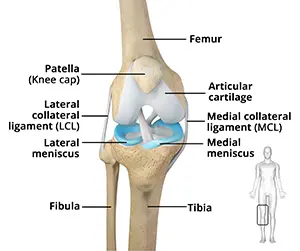
Anatomy of Knee
The knee is a complex joint made up of different structures - bones, tendons, ligaments, and muscles. They all work together to maintain the knee’s normal function and provide stability to the knee during movement.
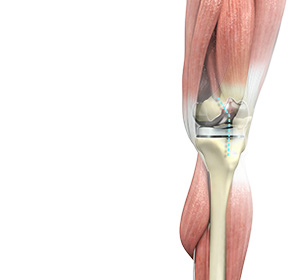
Total Knee Replacement
Total knee replacement, also called total knee arthroplasty, is a surgical procedure in which the worn out or damaged surfaces of the knee joint are removed and replaced with an artificial prosthesis.
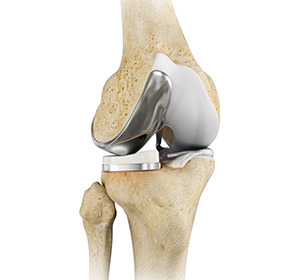
Unicompartmental/Partial Knee Replacement
Unicompartmental knee replacement is a minimally invasive surgery in which only the damaged compartment of the knee is replaced with an implant.
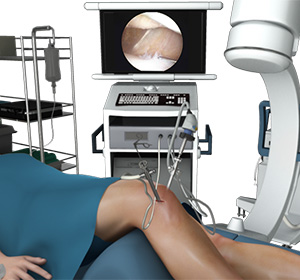
Knee Arthroscopy
Knee arthroscopy is a common surgical procedure performed using an arthroscope, a viewing instrument, to diagnose or treat a knee problem.
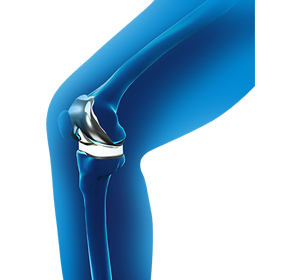
Mako SmartRobotics for Total Knee Replacement
Knee replacement is intended for use in individuals with joint disease resulting from degenerative and rheumatoid arthritis, or avascular necrosis.
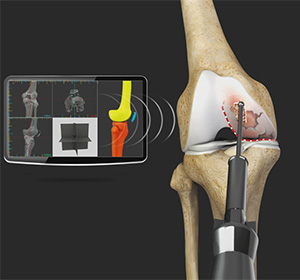
Mako SmartRobotics for Partial Knee Replacement
Mako for Partial Knee replacement is a treatment option for adults living with early to mid stage osteoarthritis (OA) that has not yet progressed to all three compartments of the knee.
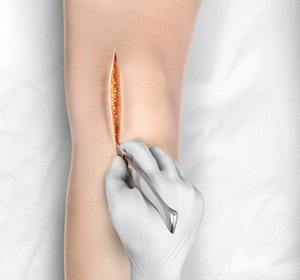
Minimally Invasive Knee Joint Replacement
Total knee replacement is a very successful surgical treatment for knee arthritis.
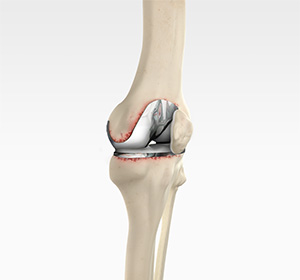
Revision Knee Replacement
Revision knee replacement surgery involves replacing a part or all your previous knee prosthesis with a new prosthesis.
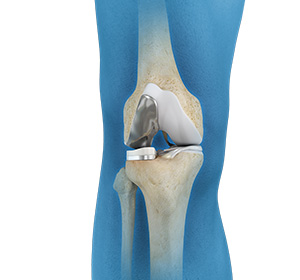
Unicondylar Knee Replacement
Unicompartmental knee replacement or unicondylar knee replacement is a minimally invasive surgery in which only the damaged compartment of the knee is replaced with an implant.
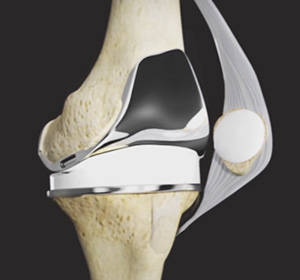
Tricompartmental Knee Replacement
Tricompartmental knee replacement, also called total knee arthroplasty, is a surgical procedure in which the worn-out or damaged surfaces of the knee joint are removed and replaced with artificial parts.
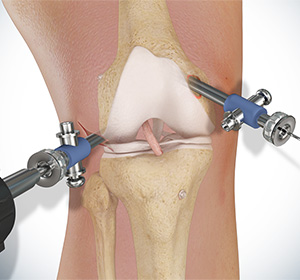
Knee Surgery
Knee surgery is a surgical procedure for the treatment of a knee injury or condition. The procedure involves repairing diseased or damaged structures of the knee joint in order to eliminate pain and restore normal function.
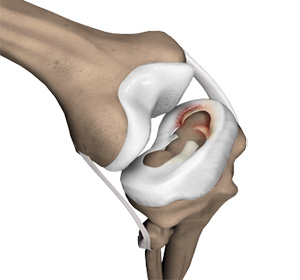
Meniscal Repair Surgery
Meniscus repair is an outpatient surgical procedure to repair torn knee cartilage.
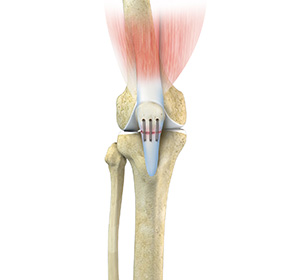
Patellar Tendon Repair
Patellar tendon repair is the surgery performed to reattach the torn tendon to the kneecap and to restore normal function in the affected leg.
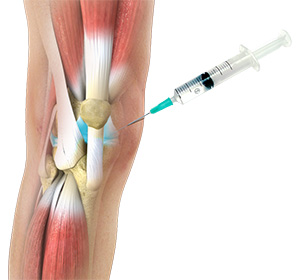
Viscosupplementation
Viscosupplementation refers to the injection of a hyaluronan preparation into the joint.
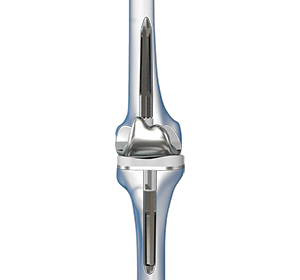
Revision Total Knee Arthroplasty
Revision knee replacement surgery involves replacing a part or all your previous knee prosthesis with a new prosthesis.
Management of Complex Previous Knee Surgeries
Management of complex previous knee surgeries refers to the evaluation and treatment of people who have undergone one or more knee operations in the past and are now experiencing persistent pain, instability, stiffness, or implant failure.
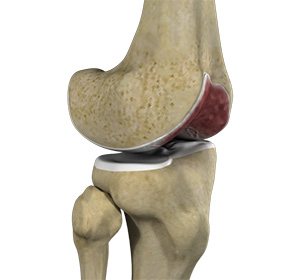
Knee Arthritis
The joint surface is covered by a smooth articular surface that allows pain-free movement in the joint.
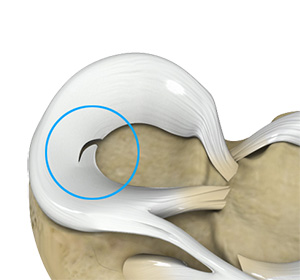
Meniscal Tears
A meniscal tear is a common knee injury in athletes, especially those involved in contact sports.
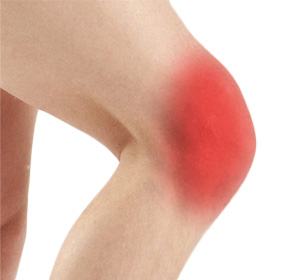
Knee Pain
Knee pain is a common condition affecting individuals of various age groups. It not only affects movement but also impacts your quality of life.
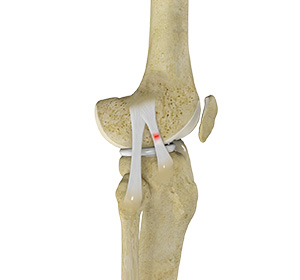
Knee Sprain
Knee sprain is a common injury that occurs from overstretching of the ligaments that support the knee joint.
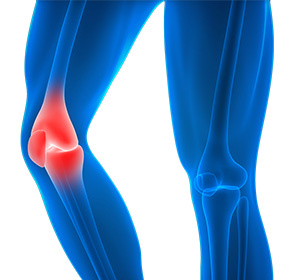
Knee Injury
Trauma to the knee can injure one or more tissues of the knee joint, such as ligaments, tendons, cartilage, bones, and muscles. These injuries can result from a fall, a forceful twisting motion, or a high-impact event like a motor vehicle accident. Common knee injuries include fractures, dislocations, tears, and sprains.
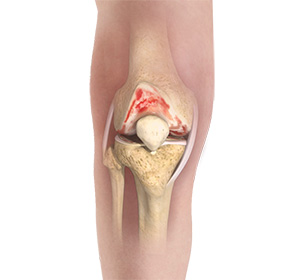
Knee Osteoarthritis
Knee osteoarthritis (OA) is a degenerative joint disease that occurs when the cartilage in the knee joint gradually wears away.
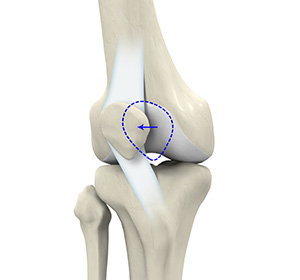
Patellar Instability
Any damage to the supporting ligaments may cause the patella to slip out of the groove either partially (subluxation) or completely (dislocation).
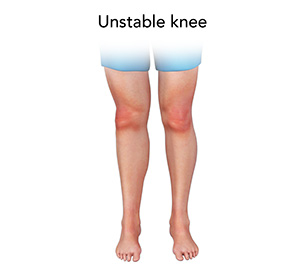
Unstable Knee
An unstable knee can cause the joint to give way during movement, often resulting from ligament injuries or muscle weakness.
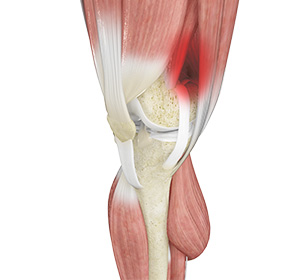
Iliotibial Band Syndrome
An iliotibial band is a tough group of fibers that runs from the iliac crest of the hip along the outside of the thigh, till the outer side of the shinbone, just below the knee joint.
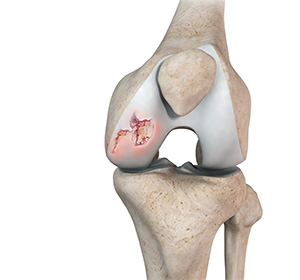
Chondral or Articular Cartilage Defects
Chondral or articular cartilage defects occur when the smooth cartilage covering the ends of bones in a joint becomes damaged. These defects can lead to pain, swelling, and reduced mobility, and early evaluation helps in choosing the most effective treatment to preserve joint health.
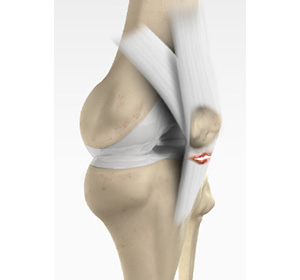
Patellar Tendon Rupture
Patella tendon rupture is the rupture of the tendon that connects the patella (kneecap) to the top portion of the tibia (shinbone).
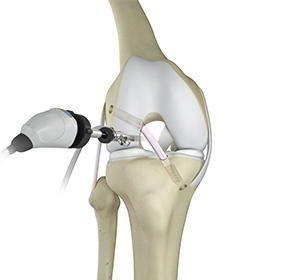
Knee Trauma
Knee trauma refers to any injury or damage sustained by the structures of the knee joint due to a sudden force, accident, fall, or direct impact.
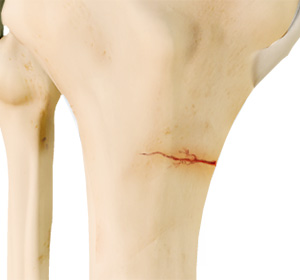
Knee Stress Fractures
Stress fractures of the patella or knee are very rare. Approximately two out of 10,000 athletes may experience a patella stress fracture.

Knee Sports Injuries
Knee sports injuries are common among athletes and active individuals, often resulting from sudden twists, falls, or overuse. Early diagnosis and proper treatment are crucial to restore strength, prevent chronic issues, and enable a safe return to activity.